Why Your Ubiquiti VPN Isn’t Connecting and How to Fix It: Quick Troubleshooting, Tips, and Best Practices
'%2F%3E%3Ctext%20x%3D'50%25'%20y%3D'50%25'%20dy%3D'.35em'%20text-anchor%3D'middle'%20font-family%3D'-apple-system%2CBlinkMacSystemFont%2CSegoe%20UI%2Csystem-ui%2Csans-serif'%20font-size%3D'100'%20font-weight%3D'600'%20fill%3D'%23fff'%3ECK%3C%2Ftext%3E%3C%2Fsvg%3E) Chiara Kettering·April 14, 2026·10 min
Chiara Kettering·April 14, 2026·10 min

Why your ubiquiti vpn isn’t connecting and how to fix it is a common issue for admins and hobbyists alike. Here’s a quick fact to start: VPN connection problems on Ubiquiti gear often boil down to misconfigurations, certificate issues, or firewall rules. This guide breaks down the problem, step-by-step fixes, and best practices so you can get back to a secure, reliable VPN in no time. Below you’ll find a practical mix of checklists, quick fixes, and deeper dives to cover every likely scenario.


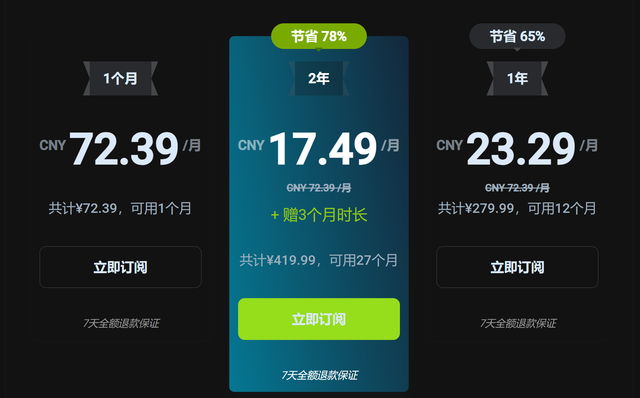

If you’re interested in keeping your online privacy rock solid while you game, study, or work from home, consider checking out a trusted VPN option. For readers who want a straightforward recommendation, NordVPN is frequently discussed for its reliability and strong security—you can explore it here: NordVPN. Note: This is a placeholder affiliate link text; the actual URL behind the banner remains the same.
Useful resources and URLs you can copy-paste for quick reference: Nord security ce un modo per investire in nordvpn in borsa: Guida completa su VPN, sicurezza e investimenti
- Apple Website - apple.com
- OpenVPN Community - openvpn.net
- Ubiquiti Help Center - help.ui.com
- MikroTik Documentation - wiki.mikrotik.com
- Reddit Networking Threads - reddit.com/r/networking
Table of Contents
- Quick Fact and Why It Happens
- Common Causes of Ubiquiti VPN Not Connecting
- Step-by-Step Troubleshooting Guide
- Advanced Troubleshooting: Diagnostics and Logs
- Configuration Tips for Different Scenarios
- Security and Best Practices
- FAQ
Qu ick Fact and Why It Happens
- Quick fact: VPNs built on Ubiquiti gear EdgeRouter, UniFi Security Gateway, UniFi Dream Machine fail to connect most often due to misconfigured firewall rules, routing mismatches, certificate issues, or DNS problems.
- Why it happens: A mismatch between the VPN server settings and the client, an expired cert, or a recently changed WAN IP can disrupt the tunnel. A firewall rule that blocks the VPN port or a NAT issue can also block traffic before it crosses the tunnel.
Common Causes of Ubiquiti VPN Not Connecting
- Incorrect VPN settings on the server or client
- Expired or mismatched SSL/TLS certificates
- Firewall rules blocking VPN ports e.g., UDP 1194, UDP 500, UDP 4500, TCP 443
- IP conflict or DNS resolution problems
- NAT and double NAT situations
- Firmware bugs or outdated devices
- Incorrect VPN type selection OpenVPN vs IPSec vs L2TP
- Certificate chain issues or missing intermediate certificates
- Overly strict MTU/DPI settings causing fragmentation
Step-by-Step Troubleshooting Guide
- Confirm the VPN type and endpoints
- Verify you’re using the correct VPN protocol OpenVPN, IPSec IKEv2, L2TP over IPSec, etc..
- Double-check the server address, port, and protocol in both server and client configs.
- If you recently changed the WAN IP, ensure the new address is updated in the client configuration.
- Check device firmware and stability
- Ensure your UniFi OS, UniFi Security Gateway, or EdgeRouter firmware is up to date.
- Reboot the device if you notice slow performance or stuck VPN tunnels.
- Check for known bugs in the current release notes and apply any hotfixes.
- Inspect certificates and authentication
- Confirm the server certificate is valid and not expired.
- Check the certificate chain includes all required intermediates.
- If using certificate-based authentication, ensure the client certificate matches the server’s expected CN/OU.
- Inspect firewall and NAT rules
- Review firewall rules to ensure VPN traffic is allowed in both directions.
- Confirm NAT rules don’t inadvertently translate VPN traffic to a non-routable address.
- Verify VPN port openings align with your protocol OpenVPN typically uses UDP 1194; IPSec uses UDP 500/4500 or ESP.
- Review routing and DNS
- Ensure proper static routes exist for the VPN subnet.
- Verify that DNS resolution isn’t leaking to an external resolver that blocks VPN domains.
- Check if split-tunneling is configured correctly; misconfig can cause traffic to bypass the VPN.
- MTU and fragmentation
- Test with a standard MTU e.g., 1500 and adjust if you see fragmentation issues.
- Reduce MTU for the VPN tunnel to avoid fragmentation and connection drops.
- Verify client device settings
- Ensure the client has correct credentials, config files, and certificates loaded.
- Confirm there are no conflicting VPN profiles on the client device.
- Disable conflicting VPN apps that could steal the tunnel.
- Diagnostics and logs
- Collect logs from the UniFi device and client.
- Look for common error codes: TLS handshake failures, authentication failures, no route to host, or port unreachable.
- Use ping and traceroute to verify reachability of VPN endpoints over the public network.
- Test with a clean setup
- Create a test VPN config with minimal settings to isolate the issue.
- Temporarily disable non-essential firewall rules and security features to see if a baseline connection succeeds.
- Recreate the VPN tunnel
- Reinstall or recreate the VPN tunnel on both server and client.
- If using OpenVPN, re-export the client profile and ensure it matches server expectations.
- For IPSec, re-issue pre-shared keys or certificates as needed.
Data and Statistics to Watch How to Set VPN Location on Microsoft Edge Browser Easily in 2026: Quick Guide for Faster, Safer Browsing
- VPN uptime percentage: Track daily uptime and hours of downtime.
- Connection establishment time: Time from start to tunnel established.
- Packet loss during VPN handshake: Keep an eye on handshake failures due to dropped packets.
- MTU fragmentation events: Monitor for dropped packets due to fragmentation.
- Authentication error rates: Log how often authentication fails and whether it correlates with certificate expiry.
Configuration Tips for Different Scenarios
Small office with UniFi Dream Machine
- Use the built-in IPSec or OpenVPN if available with a static WAN IP and keep firewall rules permissive during troubleshooting.
- Enable VPN DNS split tunneling to speed up local network access.
Remote worker using OpenVPN on Windows/macOS
- Ensure the .ovpn profile contains correct server address, port, and certificates.
- Disable VPN-related firewall rules on the client that could block UDP traffic.
Advanced: Site-to-site VPN between two UniFi setups
- Align IKE version, encryption, and hashing algorithms between both sides.
- Mirror phase 1 and phase 2 lifetimes and Perfect Forward Secrecy settings.
- Validate route advertisements and ensure both subnets can reach each other.
Security and Best Practices Die vpn verbindung bricht standig ab so behebst du das problem sofort
- Regularly rotate certificates and keys, especially if you suspect a leak or a key compromise.
- Use strong encryption and modern ciphers recommended by your device vendor.
- Enable logging for VPN activity but avoid keeping overly verbose logs in production unless needed for debugging.
- Review and keep your firewall rules strict but functional to minimize exposure.
- Consider a backup VPN path or failover in case your primary gateway goes offline.
Frequently Asked Questions
Why is my Ubiquiti VPN connection timing out?
If you’re seeing timeouts, it’s often due to a firewall dropping packets, a misconfigured route, or a certificate issue. Start by confirming ports are open, then validate the server and client configs match exactly, including certificates and shared secrets.
What ports should I open for IPSec VPN on UniFi devices?
Common ports include UDP 500, UDP 4500, and ESP. If you’re using L2TP over IPSec, ensure UDP 1701 is open. OpenVPN typically uses UDP 1194 but can vary by setup.
How can I verify that my certificate is valid?
Check the certificate’s expiry date, verify the chain of trust, and ensure the CN matches the server name you’re connecting to. If you’re unsure, reissue the certificate from your CA.
Why is DNS resolution failing for VPN clients?
DNS failures can happen if the VPN client is not set to use the VPN DNS server or if the VPN server isn’t pushing DNS settings to clients. Make sure pushed DNS settings are correct and reachable from the client network. Smart view not working with vpn heres how to fix it
How do I fix MTU-related VPN issues?
Start with an MTU of 1400-1500, test connectivity, then gradually reduce if you see fragmentation or handshake failures. Some devices require exact MTU tuning for stable tunnels.
Can I use a DynDNS hostname for my UniFi VPN?
Yes, but ensure the hostname resolves correctly and remains stable. If you’re behind a dynamic IP, a DDNS service helps keep the host address consistent.
What should I do if the VPN tunnel drops randomly?
Check for intermittent WAN connectivity issues, firmware bugs, or a rogue firewall rule that intermittently blocks traffic. Collect logs during the drop period to identify a pattern.
How do I re-create a VPN tunnel without losing configuration?
Backup your config, then recreate the tunnel with the same parameters. If you’re using certificates, reissue them if there’s any doubt about integrity.
Is it safer to use OpenVPN or IPSec on UniFi gear?
Both are secure when configured properly. OpenVPN is often easier to diagnose and modify for small setups, while IPSec is generally more integrated with enterprise-grade networks. Choose based on your environment and comfort level. Nordvpn account generator the truth behind the free accounts how to get real vpn protection
Do I need to reboot devices after changing VPN settings?
Not always, but it’s often helpful to reboot the gateway or VPN server to ensure all new configuration parameters are loaded cleanly.
Troubleshooting Checklist Printable
- Confirm VPN type and endpoint addresses on server and client
- Update firmware on all devices
- Validate certificates and certificate chain
- Review firewall rules and NAT settings
- Verify routing tables and VPN subnet routes
- Check DNS configuration and DNS server reachability
- Test with MTU adjustments
- Collect and review logs from server and client
- Recreate or reset VPN tunnel if necessary
Network Diagnostic Tips
- Use ping and traceroute to test reachability of VPN endpoints over the public internet.
- Use a packet capture tool to observe handshake packets and identify where the tunnel breaks.
- Check for logs indicating a TLS handshake failure, certificate mismatch, or authentication failure.
Final Notes for Readers
- Take your time and don’t rush the troubleshooting. VPNs are sensitive to small misconfigurations that are easy to miss.
- Keep a spare backup of your working VPN configuration so you can revert quickly if something goes wrong.
- If you’re ready for a quick, trusted solution, consider trying a reputable VPN service that offers robust protection and reliable connections—click the banner to learn more, but remember to review the terms and compatibility with your setup.
Frequently Asked Questions Expanded Nordvpn e gratis la verita sulle offerte e come provarla senza rischi
How long should a typical VPN connection setup take on a UniFi device?
Most setups are quick, often under a few minutes once you have the correct credentials and endpoints. If you run into issues, allocate extra time to re-check certificates, firewall rules, and routes.
Can VPN issues be caused by ISP blocking VPN traffic?
Yes, some ISPs implement traffic shaping or blocking for VPN protocols. If you suspect this, test via a different network or use a VPN port that’s less likely to be blocked, or enable obfuscated VPN features if available.
What is the best way to document VPN configurations?
Keep a simple changelog with dates, device names, firmware versions, and a summary of each change. This helps you revert or troubleshoot efficiently later on.
Is two-factor authentication 2FA useful for VPN access?
If your VPN supports it, 2FA adds an important security layer. This is especially valuable for remote access where credentials could be compromised.
How do I know if my VPN tunnel is up?
Most devices show VPN tunnel status in the admin UI. You can also use ping to a host on the remote network or run a traceroute to see if traffic is flowing through the tunnel. Nordvpn in China Your Ultimate Guide to Downloading and Staying Connected: Nordvpn in China Tips, How-To, and Safety
What if I can connect from one device but not another?
This often points to client-specific issues such as local firewall rules, incorrect profiles, or certificate problems on the client device. Compare working vs. non-working client configurations to identify mismatches.
Can VPN failover help with reliability?
Yes, setting up a secondary VPN path or using a redundant gateway can improve reliability. This is more common in larger networks but can be valuable for critical access.
Are there performance considerations I should monitor?
Yes—monitor CPU usage on the gateway, VPN encryption overhead, and the VPN’s impact on latency. Optimize MTU, adjust compression if used, and ensure hardware is adequate for the expected load.
How often should I rotate VPN certificates?
Rotate certificates on a schedule that aligns with your security policy, typically every 1-2 years, or sooner if risk indicators suggest a compromise.
Sources:
翻墙加速器免费:完整指南|VPN 使用要點、風險與實用工具 O que fazer quando a vpn nao conecta 10 causas comuns: guia completo para solucionar problemas de conexão VPN
翻墙梯子:完整指南、工具、风险与最佳实践
Shadowrocket ios:全方位指南、实用技巧与最新动态
Udm Pro and NordVPN How to Secure Your Network Like a Pro: Quick Guide, Expert Tips, and Real-World Setup
国内付费vpn推荐:更安全更稳定的选择与实用指南