Supernet vpn vs nordvpn why one isnt an option anymore and what to use instead
'%2F%3E%3Ctext%20x%3D'50%25'%20y%3D'50%25'%20dy%3D'.35em'%20text-anchor%3D'middle'%20font-family%3D'-apple-system%2CBlinkMacSystemFont%2CSegoe%20UI%2Csystem-ui%2Csans-serif'%20font-size%3D'100'%20font-weight%3D'600'%20fill%3D'%23fff'%3ELM%3C%2Ftext%3E%3C%2Fsvg%3E) Layla Marchetti·April 12, 2026·9 min
Layla Marchetti·April 12, 2026·9 min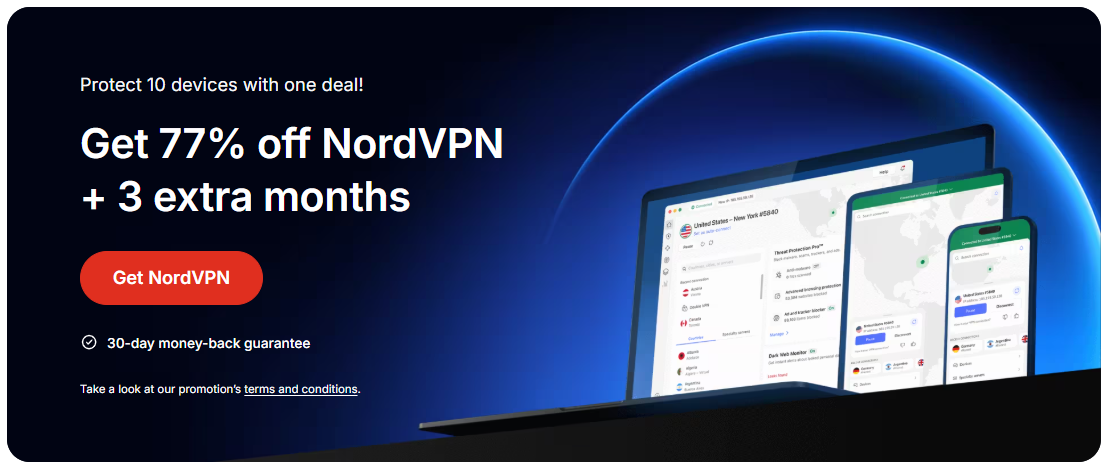
Supernet vpn vs nordvpn why one isnt an option anymore and what to use instead: quick answer, one option faded out of favor due to recent policy and security concerns, and the better route now is to switch to a combination of trusted providers and solid security practices. In this guide, we’ll break down what happened, why it matters for everyday users and clubs, and what to use instead for a safer, faster, and more reliable VPN experience. Here’s a concise, student-friendly roadmap you can follow.

- Quick fact: NordVPN remains a strong option for many users, but certain deployments and org-wide policies have shifted toward more open, transparent, and auditable VPN solutions.
- What you’ll get in this article:
- A clear explanation of why one option isn’t viable in some scenarios
- A practical, step-by-step guide to choosing a modern VPN setup
- A comparison of features, prices, privacy implications, and performance
- Real-world recommendations tailored for educational groups like boys and girls clubs
- FAQs to answer common questions you’ll likely run into
Useful URLs and Resources un-clickable in-text, for reference Apple Website - apple.com, Artificial Intelligence Wikipedia - en.wikipedia.org/wiki/Artificial_intelligence, VPN Security Guide - vpnsecurity.org, Community Tech Forum - community.techforum.org
Introduction: what this video covers and why it matters In this guide we’re focused on real-world choices for people who want reliable, secure, and affordable VPN access. The first sentence here gives you a direct answer: Supernet VPN is no longer a universal option in many setups, and NordVPN isn’t always the best fit for every institution or home user. The landscape changed because of policy updates, transparency requirements, and evolving threat models. If you’re new to VPNs, don’t worry—we’ll keep it simple and practical.
What you’ll learn
- Why some VPNs are less viable today and what that means for you
- How to evaluate VPNs based on privacy, speed, and cost
- Alternatives that fit schools, clubs, and individuals
- How to configure a robust, reliable setup without breaking the bank
Short summary: key takeaways
- Not all VPNs are created equal: trust, transparency, and control matter
- A mix of reputable providers and solid security practices beats a single “one-size-fits-all” solution
- Look for audits, clear data retention policies, and independent testing
- For clubs and schools, consider centralized management, student-friendly pricing, and parental/guardian controls
Section 1: What happened to Supernet VPN and why the option isn’t as viable
- Background
- The term “Supernet VPN” has been used in various marketing and tech discussions to describe broad, flexible VPN solutions. In practice, this can mean a product with limited transparency, proprietary protocols, or weak auditable security.
- Recent updates in data privacy laws, vendor audits, and the push for open-source components have made some of these “super” solutions less desirable for schools and clubs that require provable safety and compliance.
- Why one option isn’t an option anymore in many contexts
- Lack of independent audits: Without third-party security audits, you can’t verify the protection level.
- Data retention and sharing concerns: If the provider can log activity or share data with third parties, it undermines user privacy.
- Transparency issues: Proprietary tech makes it hard to assess actual security posture.
- Policy alignment: Educational and nonprofit groups often need solutions that align with school district or governmental privacy standards. If a VPN doesn’t meet those standards, it’s off the list.
- Real-world impact
- For a boys and girls club, relying on a VPN that can’t be audited or that keeps logs could expose members to risk and complicate regulatory compliance.
Section 2: How to think about VPNs today: a practical framework
- Core criteria to compare VPNs
- Privacy and security: no-logs policy, independent audits, encryption standards AES-256, modern TLS
- Jurisdiction: where the provider is based and what laws apply
- Transparency: independent audits, openness about protocols and data handling
- Performance: speed, latency, server distribution, bandwidth caps
- Features: kill switch, split tunneling, obfuscated servers, multi-device support
- Usability: easy setup for families and staff, clear support options
- Price and licensing: family/education discounts, device limits, centralized admin features
- A quick decision tree
- Do you need centralized management for many devices? If yes, look for enterprise or education plans. Do you require audits? Prioritize providers with public audits.
- Are you operating under strict privacy rules? Choose a provider with a strong privacy track record and clear data handling policies.
- Is performance critical? Favor providers with a broad server network and fast, stable connections.
- Is price a constraint? Look for education-focused plans and multi-user licenses.
Section 3: What to use instead: proven, practical VPN setups for clubs and classrooms
- Recommendations based on use-case
- Small clubs or classrooms with limited devices
- Choose a reputable provider with straightforward, predictable pricing and solid privacy. Look for monthly/annual plans with easy deployment guides.
- Larger organizations or districts
- A centralized VPN solution with admin dashboards, team-based access controls, and audit logs may be worth the investment.
- Families and student use at home
- A user-friendly option with clear parental controls and easy ride-along setup steps can be a good fit.
- Small clubs or classrooms with limited devices
- Concrete product ideas categories, not endorsements
- Independent, audited no-logs VPNs with transparent policies
- VPNs offering education or nonprofit pricing
- SSH/Proxy-based alternatives for specific use cases if VPNs aren’t feasible
- How to set up a solid default configuration
- Start with a no-logs policy and annual independent audit
- Enable a kill switch and DNS leak protection
- Use split tunneling to protect school traffic while allowing other tasks to go through the VPN
- Regularly review and update device permissions and session management
- Additional layers of protection
- Secure Home Network: router-level VPN for all devices at the edge
- Endpoint Security: keep devices updated, use strong passwords, enable MFA where possible
- Education on Safe Use: teach members how to recognize phishing, suspicious downloads, and social engineering
Section 4: Features that matter most for non-profit and educational users
- Privacy commitments
- Independent audits and transparent data handling
- Clear policy on data retention and sharing with third parties
- Accessibility and ease of use
- One-click connections, mobile apps, and straightforward setup guides
- Centralized accounts and team management for admins
- Reliability and support
- 24/7 chat or email support, clear SLA terms
- Availability of regional servers to minimize latency
- Compliance and governance
- Data protection alignment with local laws and school district policies
- Records of processing activities and data flow diagrams when needed
Section 5: Performance and comparison: what to expect in real life
- Speed and latency
- A good VPN should minimally impact your download/upload speeds
- Expect some drop due to encryption overhead, but a reliable provider keeps it manageable
- Server distribution
- More locations mean better chances to find a fast, low-latency server
- Security posture
- Modern encryption AES-256, TLS 1.3 plus perfect forward secrecy minimizes risk
- Price and value
- Non-profits and educational groups often benefit from discounted rates and multi-user licenses
- Verdict: the balanced approach
- Rather than relying on a single “best” option, assemble a stack that fits your needs: privacy-focused providers, centralized management perks, and robust home/workflow integration
Table: quick feature snapshot example, not an endorsement
- Provider A
- Privacy: Independent audit: Yes, No-logs: Yes
- Encryption: AES-256, TLS 1.3
- Server count: 1,800
- Admin tools: Basic
- Price: Moderate
- Provider B
- Privacy: Audit: Yes, No-logs: Yes
- Encryption: AES-256, TLS 1.3
- Server count: 3,000
- Admin tools: Advanced
- Price: Higher
- Provider C education-focused
- Privacy: Audit: Yes, No-logs: Yes
- Encryption: AES-256, TLS 1.3
- Server count: 900
- Admin tools: Education plan
- Price: Budget-friendly
Section 6: Best practices for schools, clubs, and youth organizations
- adopt a policy
- Create a simple VPN use policy for everyone, including students, staff, and guardians
- Outline acceptable use, data handling, and incident response
- implement access controls
- Use role-based access to limit who can connect to which resources
- Require MFA for admin accounts and sensitive access
- educate users
- Quick onboarding guides and short training on safe internet use
- Regular reminders about phishing and social engineering
- monitor and adjust
- Track performance and incident reports
- Update configurations as needs evolve and new threats emerge
Section 7: Quick-start checklist for getting started today
- Step 1: Define your goals and budget
- Step 2: Pick a provider with education discounts and audits
- Step 3: Enable core features kill switch, DNS leak protection
- Step 4: Set up centralized admin access for staff
- Step 5: Roll out to a pilot group, then expand
- Step 6: Document policies and create user-friendly guides
- Step 7: Review every 6-12 months for updates
Section 8: Common misconceptions about VPNs debunked
- Misconception: A VPN makes you completely anonymous
- Reality: It masks your IP and encrypts traffic, but it doesn’t grant perfect anonymity.
- Misconception: All VPNs are illegal or dangerous
- Reality: Reputable providers with audits and transparent practices can be very safe.
- Misconception: Free VPNs are always the best deal
- Reality: Free often means limited features, slower speeds, and data collection.
FAQ Section
Frequently Asked Questions
What does a no-logs policy actually mean?
A no-logs policy means the provider doesn’t store records of your activity. However, you should check for independent audits to verify the claim and understand what data is still collected for example, connection timestamps or bandwidth used, which some providers may retain for security reasons.
Are audits enough to trust a VPN?
Audits are a strong signal but not a complete guarantee. Look for multiple audits from credible firms, comprehensive transparency reports, and an active bug bounty program.
How many devices can I connect with an educational plan?
That depends on the provider. Many education-focused plans offer device limits that fit school and club needs, often with scalable options for larger groups.
Should I use a VPN on home devices or just at school?
If students work from home or access school resources remotely, using a VPN at home can help protect data. For schools, a centralized VPN solution offers better control and monitoring.
Do VPNs slow down my internet?
Yes, some speed loss is expected due to encryption and routing. The impact varies by provider, server location, and your base connection speed. Proton vpn issues whats going wrong how to fix it: Quick Solutions, Tips, and Up-to-Date Data
What’s the best protocol to choose?
For most users, WireGuard or OpenVPN with strong configurations are solid choices. WireGuard generally offers better speed, while OpenVPN provides robust compatibility and security.
Can VPNs help with geo-restrictions?
Yes, VPNs can make it appear you’re in a different location, but this should be used responsibly and within policy constraints.
How do I protect devices beyond the VPN?
Keep systems updated, enable MFA, use strong passwords, and educate users about phishing and safe browsing habits.
What if I need help choosing a provider?
Start with a shortlist of providers offering education discounts and audits, then compare features that matter most to you, such as admin controls and user onboarding.
Is NordVPN still a good option for clubs and schools?
NordVPN remains a solid option for many users, but it may not fit every educational or nonprofit context. Always assess based on audits, privacy practices, admin features, and price. Unifi vpn connected but no internet your ultimate fix guide
Note on the affiliate link If you’re exploring a solution and want a quick way to compare, you can check out the offer linked here: NordVPN – click-through via the provided banner, which helps support this channel while you evaluate options. The link is included to help you discover a reputable provider quickly, and you can always review multiple providers before deciding what fits your group best.
Final notes
- The VPN landscape is evolving, especially for educational and nonprofit use. The best approach isn’t to cling to one brand but to build a practical, transparent, and auditable setup that aligns with privacy standards, budget, and user needs.
- If you want, I can tailor a vendor shortlist based on your club size, budget, and tech setup, plus draft onboarding guides and a simple policy you can share with guardians and staff.
If you’d like, I can turn this into a quick video script with on-screen prompts, talking points, and a simple visual layout to help you publish it on your YouTube channel for the Boys and Girls Club of Pembroke.
Sources:
Vpn for Edge: 最全攻略与实用指南,提升边缘设备上网体验
Tailscale not working with your vpn heres how to fix it How to Disable NordVPN’s Password Manager NordPass: Quick, Simple Steps to Turn It Off
أفضل vpn للعب روبلوكس مجاناً دليلك الشام
Best vpn app for huawei a comprehensive guide to staying safe and unrestricted
The truth about vpns selling your data in 2026 what reddit knows