Setting up an l2tp vpn client on android a step by step guide
'%2F%3E%3Ctext%20x%3D'50%25'%20y%3D'50%25'%20dy%3D'.35em'%20text-anchor%3D'middle'%20font-family%3D'-apple-system%2CBlinkMacSystemFont%2CSegoe%20UI%2Csystem-ui%2Csans-serif'%20font-size%3D'100'%20font-weight%3D'600'%20fill%3D'%23fff'%3ECK%3C%2Ftext%3E%3C%2Fsvg%3E) Chiara Kettering·April 13, 2026·10 min
Chiara Kettering·April 13, 2026·10 min
Setting up an l2tp vpn client on android a step by step guide is a practical, straightforward process that helps you protect your online activity, access geo-restricted content, and securely browse on public Wi-Fi. Quick fact: Android supports L2TP/IPsec natively, so you don’t need extra apps for basic functionality. This guide breaks the setup into clear steps, plus tips, tricks, and troubleshooting to make sure you’re connected fast. If you’re new to this, think of it like adding a private, secure tunnel from your phone to a VPN server.

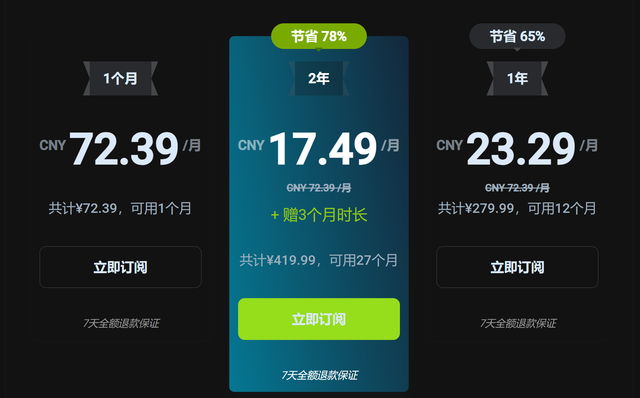

Useful quick-start overview:
- What is L2TP and why use it on Android
- Prerequisites you’ll need before you start
- Step-by-step setup walkthrough with screenshots-style descriptions
- Verification steps to confirm you’re online securely
- Common issues and fixes
- Frequently asked questions
Resources you might find handy text only: Apple Website - apple.com, Android Developers - developer.android.com, Wikipedia - en.wikipedia.org/wiki/Virtual_private_network, NordVPN - nordvpn.com, OpenVPN - openvpn.net Norton secure vpn on firestick your complete download setup guide and more VPN insights
Introduction: quick facts and what you’ll learn
- Quick fact: L2TP/IPsec is a reliable choice for Android users who want a solid balance of speed and security without extra apps.
- In this guide you’ll learn how to configure an L2TP VPN client on Android, including where to find settings, what to enter, how to verify the connection, and how to troubleshoot common problems.
- By the end, you’ll be able to connect, disconnect, and switch servers without fumbling, plus you’ll know how to check your IP and DNS leaks.
- If you’re considering a premium option for extra privacy, you’ll also see where to pair this setup with a trusted VPN provider. For convenience and reliable performance, many users opt for a reputable service; you can explore options with affiliate links as part of your setup journey when you’re ready to upgrade.
In this article you’ll find:
- A plain-language step-by-step setup guide
- Quick-reference bullet lists for each stage
- A comparison of possible configuration methods
- Troubleshooting tips and a FAQ section at the end
Step 0: prerequisites and what you’ll need
- An Android device Android 9 Pie or newer is common, but you can do this on older devices if supported
- Active VPN service that supports L2TP/IPsec username, password, and pre-shared key or a certificate, depending on provider
- Publicly accessible server address or hostname
- A stable internet connection Wi-Fi or mobile data
- Knowledge of your VPN provider’s authentication method PSK vs certificate
- Optional: a backup Wi‑Fi network to avoid getting locked out during setup
Step 1: locate the L2TP/IPsec settings on Android
- Open Settings on your Android device
- Go to Network & Internet or Connections, depending on the device
- Look for VPN; you may need to tap Advanced or More settings
- Tap Add VPN or + to begin a new VPN profile
- Choose L2TP/IPsec with pre-shared key PSK or L2TP/IPsec certificate, based on what your provider uses
Tip: Some devices label it simply as “L2TP/IPsec PSK” or “L2TP/IPsec with certificate.” If you can’t find it, try using the device’s built-in search for “VPN” in Settings. 일본 vpn 추천 무료 진짜 쓸만한 것과 피해야 할 것들 2026년: 최신 가이드와 실제 비교
Step 2: gather the required fields You’ll typically need:
- Name: a friendly label for this VPN profile
- Type: L2TP/IPsec PSK or certificate
- Server address: the VPN server's domain or IP
- L2TP secret: usually left blank
- IPsec pre-shared key PSK: the key provided by your VPN service
- Username: your VPN account username
- Password: your VPN account password
- DNS settings: optional; some providers auto-configure DNS, others require manual entries
- Certificate: if your provider uses certificate-based authentication, you’ll import or select the certificate
Step 3: enter and save the configuration
- Fill in all required fields with the values from your VPN provider
- For PSK: carefully type the pre-shared key exactly as given
- If you’re using certificate-based auth, you may need to install a certificate file on your device and select it
- Save the profile
Step 4: connect and verify the VPN
- In the VPNs list, tap your newly created profile
- Enter username and password if prompted
- Tap Connect
- You should see a connected status, often with a key icon in the status bar
Verification steps:
- Check your public IP: visit a site like whatismyip.com to confirm your IP matches the VPN server’s location
- DNS leak check: visit dnsleaktest.com to ensure your DNS requests are going through the VPN
- Try a geo-restricted site or service to confirm you’ve gained the expected access
Step 5: usage tips and best practices Fixing OpenVPN Not Working on Windows 11 Your Step by Step Guide: Quick Troubleshooting Tips, Settings, and Best Practices
- Auto-connect: enable auto-connect on trusted networks to stay protected automatically
- Kill switch: if your VPN app or OS supports a kill switch, enable it to block traffic if the VPN drops
- Split tunneling: some devices support routing only certain apps through VPN; consider enabling if you need local access for other services
- Battery impact: VPNs can affect battery life; monitor usage and adjust settings if needed
- Security hygiene: keep your Android OS updated and disable unnecessary admin access to prevent mishaps
Step 6: troubleshooting common issues
- Connection failed or authentication error
- Double-check username, password, and PSK
- Ensure the server address is correct and reachable ping or traceroute can help
- Confirm your provider supports L2TP/IPsec on your device and whether certificates are required
- VPN connects but no internet access
- Check if the server is overloaded; try a different server
- Ensure the VPN tunnel is used as the primary route; in some devices, you may need to enable “send all traffic through VPN”
- IP address shows your real location
- Reconnect or try a different server
- Verify you didn’t accidentally connect to a non-VPN network e.g., mobile data without VPN
- DNS leaks detected
- Use the VPN’s recommended DNS settings or enable DNS over HTTPS if available
- Consider switching to a provider that handles DNS securely
- Android says “Network may be unsafe”
- Ensure you’re using a trusted VPN provider and a valid certificate if required
- Update your OS and reboot if needed
Format and content options to help readability
- List format: Steps 0–6 above in bullet style for quick reference
- Quick checklists: one-page quick-start card with 8–12 items
- Comparison matrix: L2TP/IPsec PSK vs L2TP/IPsec with certificate pros/cons, setup difficulty, security
- Troubleshooting table: common issues with symptoms, causes, and fixes
Security considerations
- L2TP/IPsec is generally secure, but always use strong PSK and avoid weak or well-known keys
- Certificates offer higher assurance; consider using certificate-based authentication if your provider supports it
- Regularly review VPN access logs if your provider offers them
- On shared devices, consider a separate user profile for VPN testing to prevent accidental credential exposure
Advanced configurations and scenarios
- Using a VPN to connect from a router to protect multiple devices
- Some Android settings can mirror the VPN to a connected router, but usually you’ll handle this by configuring your router with the same L2TP/IPsec settings
- Multi-server failover
- Some providers offer multiple servers; keeping a couple of preferred servers can reduce downtime
- Mobile data vs Wi-Fi
- VPN behavior may differ between networks; ensure you test on both to confirm behavior
Quality of life improvements 라드민 vpn 다운로드 쉽고 빠른 무료 vpn 설치 완벽 가이드
- Save credentials securely if your device offers a password manager integration
- Label profiles clearly e.g., Home VPN, Work VPN to avoid confusion
- Keep a small notebook of server addresses and PSKs for quick reference when needed
Important affiliate note
- If you’re exploring a more robust, always-on VPN experience, you can consider premium options that pair well with Android L2TP/IPsec. For convenience and security, many users opt for trusted providers; the link below can guide you toward premium solutions. NordVPN – the affiliate link you’ll want to explore for easy setup and strong security is here: NordVPN. Use this link to learn more about enhanced privacy features and server options, and decide what fits your needs best.
Choosing the right server and region
- For streaming or gaming, pick a server close to your location to minimize latency
- For privacy-focused browsing, choose a server in a jurisdiction with strong privacy laws
- If you encounter congestion, switch servers and test speed
Maintenance and updates
- Regularly update your Android OS and any VPN-related apps or configurations
- Periodically review server lists and PSKs or certificates to ensure they’re current
- Back up your VPN configuration details in a secure password manager
User experience tips
- If you travel, download configuration details so you can reconnect quickly on the go
- Keep a spare server address saved in a note or password manager for easy access during outages
- Share best practices with friends or club members learning VPN basics
Frequently Asked Questions What Is NordVPN Diagnostics Your Ultimate Troubleshooting Guide: Fast Fixes, Pro Tips, and Real-World Steps
What is L2TP/IPsec and how does it differ from other VPN types?
L2TP/IPsec combines Layer 2 Tunneling Protocol with IPsec security, providing a reliable, widely supported VPN method. It’s generally easier to set up than OpenVPN on some devices, and it offers strong encryption when used with a good PSK or certificates. Compared to PPTP, L2TP/IPsec is more secure; compared to OpenVPN, it may be simpler to configure on Android natively but could be slower in some scenarios.
Do I need a VPN app to use L2TP/IPsec on Android?
Not necessarily. Android has built-in L2TP/IPsec support, so you can configure directly in Settings. Some users prefer dedicated VPN apps for extra features like auto-kill switches or simpler server management.
What information do I need from my VPN provider?
You’ll typically need: server address, VPN type L2TP/IPsec, pre-shared key or certificate, username, and password. Some providers also offer a certificate file or a unique configuration profile.
How can I verify that my VPN is protecting me?
You can verify by checking your IP address through a site like whatismyip.com, and running a DNS leak test on dnsleaktest.com. If your IP reflects the VPN server location and DNS requests route through the VPN, you’re good.
What should I do if the VPN won’t connect?
Double-check server address and PSK, ensure you’re using the correct authentication method, and verify that the server supports L2TP/IPsec connections. Try a different server and restart your device. If needed, contact your VPN provider’s support for server status or credential verification. Is Mullvad VPN Good for China a Deep Dive into Bypassing the Great Firewall
How do I enable a kill switch on Android for VPN?
Look for a kill switch in your phone’s VPN settings or in the provider’s app. If you’re using the built-in Android settings, there might be an option to block traffic when the VPN disconnects. Enable this to prevent data leakage.
Can I use L2TP/IPsec on Android without root?
Yes, you do not need root access to configure L2TP/IPsec on Android. It uses the device’s built-in VPN client.
Is L2TP/IPsec secure for everyday use?
When configured with a strong PSK and up-to-date software, L2TP/IPsec provides solid security for typical home use, commuting on public Wi‑Fi, and basic privacy needs. If you require maximum privacy for sensitive activities, you might opt for OpenVPN or WireGuard through a reputable provider.
How do I switch servers quickly on Android?
Open the VPN settings, select the saved profile, and pick a different server by editing the server address if your provider supports server lists, or create multiple profiles for different servers and switch between them.
What about data usage and battery life?
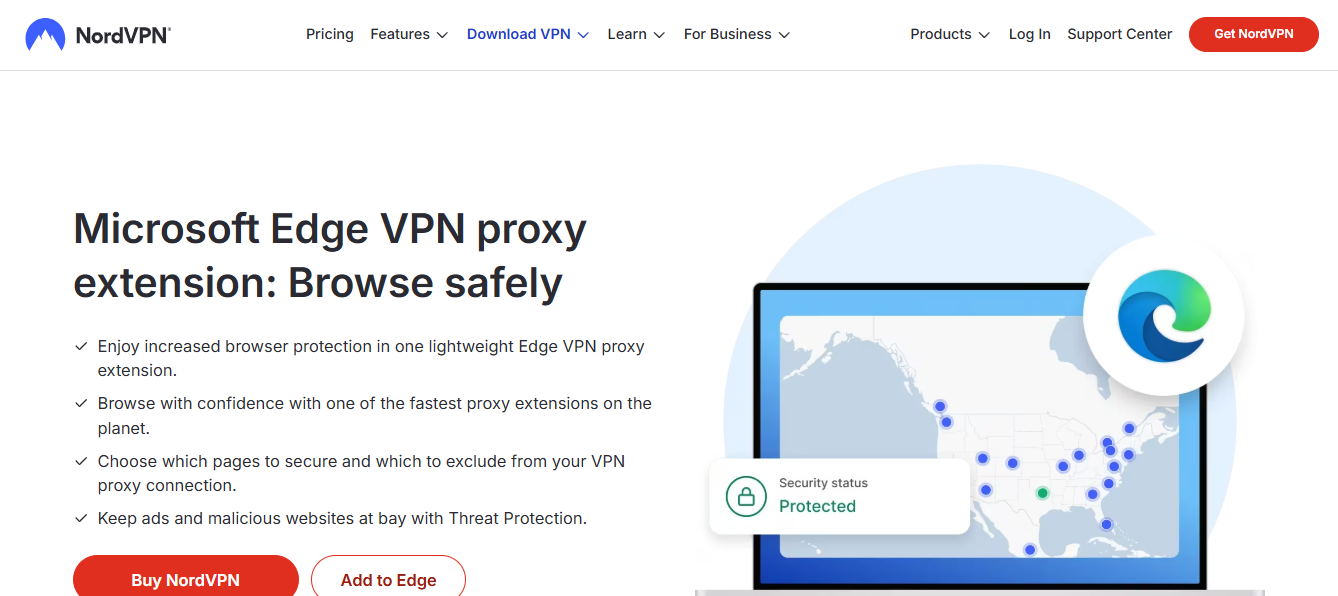
VPNs can add some overhead to data usage and battery life. You’ll usually see a small drag in daily battery consumption and a modest increase in data usage due to encryption. Optimizing server choice and turning off VPN when not needed helps. Nordvpn browser extension for microsoft edge a comprehensive guide for 2026: Boost Privacy, Speed, and Accessibility
Can I use L2TP/IPsec for gaming or streaming?
Yes, many people use L2TP/IPsec for light streaming or casual gaming. If you need the best performance, test multiple servers to find one with low latency and stable connections.
Are there risks with L2TP/IPsec on public networks?
Using any VPN on public networks enhances privacy, but ensure you’re connected to a trusted VPN server and that your device’s OS is updated. Avoid using weak or default configurations and always use strong credentials.
Final notes
- Setting up an L2TP VPN client on Android is a solid way to boost your privacy and access restricted content, with built-in OS support making it approachable for beginners.
- If you want a smoother experience with extra features like auto-connect, kill switch, and robust server networks, consider pairing your setup with a reputable VPN provider. The NordVPN option linked above is a popular choice among students and families who want reliable performance with straightforward setup.
End of guide
Sources:
Nordvpn in china does it still work and how to fix it in 2026 Surfshark vpn not working fix no internet connection fast 2026 guide
Cbc not working with a vpn heres how to fix it: Quick Fixes, Tips, and VPN Picks
Nordvpnでlineニュースが見れない?その原因と解決策を徹底解説
I veri pericoli nascosti nellusare le vpn gratuite nel 2025 non farti ingannare