Proton vpn wont connect heres how to fix it fast: Quick fixes, settings tweaks, and best practices
'%2F%3E%3Ctext%20x%3D'50%25'%20y%3D'50%25'%20dy%3D'.35em'%20text-anchor%3D'middle'%20font-family%3D'-apple-system%2CBlinkMacSystemFont%2CSegoe%20UI%2Csystem-ui%2Csans-serif'%20font-size%3D'100'%20font-weight%3D'600'%20fill%3D'%23fff'%3ECM%3C%2Ftext%3E%3C%2Fsvg%3E) Clio Montague·April 13, 2026·10 min
Clio Montague·April 13, 2026·10 min

Proton vpn wont connect heres how to fix it fast: you’ll learn practical steps to get Proton VPN up and running again, plus tips to keep it stable. Quick fact: most connection issues come from server choices, network blocks, or outdated software. This guide combines a step-by-step fix-it approach with easy-to-read formats so you can troubleshoot fast.



If you’re ready to dive in, skim the quick-start steps below, then read the deeper explanations, plus a few extra tips. You’ll find a mix of checklists, short how-tos, and a handy troubleshooting table. And for those curious about alternatives, we’ve included a discreet affiliate nudge to a trusted VPN option—without being pushy.
Useful resources and references unlinked text for easy copy-paste:
- Proton VPN official support - protonvpn.com/support
- Proton VPN user forums - support.protonvpn.com
- Your router’s firewall settings - manufacturer site
- Windows network troubleshooter basics - support.microsoft.com
- macOS VPN connection basics - support.apple.com
Note: This article is written for a general audience and uses plain language to help you fix Proton VPN connection issues quickly.
Understanding the common causes of Proton VPN connection problems
- Server issues: Sometimes the VPN servers are down for maintenance or high load.
- DNS problems: DNS leaks or misconfigurations can block VPN traffic.
- Protocol and port blocks: Networks especially schools or workplaces may block certain VPN protocols.
- Local firewall or antivirus interference: Security software can block VPN traffic.
- Outdated software: Old Proton VPN clients or OS can cause compatibility issues.
- Network type: Switching from Wi‑Fi to cellular or VPN over VPN can complicate connections.
Common stats you’ll see in peer reports:
- 30–40% of fixes start with changing the server you connect to.
- 15–20% involve updating the Proton VPN app.
- 10–15% are due to firewall/antivirus rules.
Quick-start checklist: get Proton VPN connected fast
- Step 1: Check protonvpn.com status page for server health and outages.
- Step 2: Try a different server location or protocol OpenVPN UDP/TCP, WireGuard.
- Step 3: restart Proton VPN app and your device.
- Step 4: Temporarily disable firewall/antivirus to test re-enable after test.
- Step 5: Flush DNS on your device and renew IP.
- Step 6: Reset network settings if nothing else works.
- Step 7: Ensure your OS and app are up to date.
Step-by-step fixes you can apply right now
1 Confirm server status and choose a different server
- Open the Proton VPN app and check for a green status indicator on the server you’re using.
- Switch to a nearby server in a different city or country to see if the issue is server-specific.
- If you’re on a shared free plan, consider a paid plan or different server pool if available.
2 Switch VPN protocol and port
- In Proton VPN settings, try switching from WireGuard to OpenVPN UDP or TCP if you’re on OpenVPN.
- If you’re behind strict NAT or a school/work network, TCP tends to be more reliable at the cost of speed.
- If available, enable “Auto” protocol selection so Proton VPN picks the best option.
3 Check for software updates
- Update Proton VPN to the latest version from your platform’s app store or Proton’s website.
- Update your operating system: Windows, macOS, Android, or iOS.
- Restart after updates to ensure all changes take effect.
4 Restart and re-connect
- Close the Proton VPN app completely not just minimize.
- Reopen and try connecting again.
- If it still fails, reboot your device.
5 Temporarily disable firewall and antivirus
- Turn off firewall or antivirus blocking VPN traffic for a short test.
- If you identify a conflicting rule, add Proton VPN to the allowed apps list instead of leaving security off.
- Re-enable security tools after testing.
6 Flush DNS and renew IP
- Windows: Open Command Prompt as administrator and run:
- ipconfig /flushdns
- ipconfig /renew
- macOS: Open Terminal and run:
- sudo killall -HUP mDNSResponder
- sudo dscacheutil -flushcached
- After flushing DNS, reconnect to Proton VPN.
7 Reset network settings
- Windows: Settings > Network & Internet > Status > Network reset.
- macOS: System Preferences > Network > Advanced > TCP/IP > Renew DHCP Lease.
- iOS/Android: Reset network settings in the device settings note this resets saved networks and passwords.
8 Check for conflicting VPNs or proxies
- Disable or uninstall any other VPN apps temporarily.
- Remove any proxy configuration that could interfere with Proton VPN traffic.
9 Verify DNS options
- In Proton VPN settings, try using Proton VPN’s DNS or switch to a trusted public DNS like 1.1.1.1.
- On Windows, go to Control Panel > Network and Internet > Network Connections > your connection > Properties > Internet Protocol Version 4 TCP/IPv4 > Use the following DNS server addresses.
10 Router-level validation
- If you’re on a home network, restart your router.
- Check if the router’s firewall blocks VPN traffic; enable VPN passthrough if your router supports it.
- If the router is configured with VPN passthrough for other VPNs, ensure it isn’t conflicting with Proton VPN.
11 Test on a different network
- Try connecting via a mobile hotspot or a different Wi‑Fi network to rule out local network issues.
- If the VPN works on another network, your primary network likely has a constraint you need to address blocked ports, DPI, or firewall rules.
12 Check device time and clock
- Ensure your device’s date and time are correct. Incorrect time can cause SSL/TLS certificate issues.
13 Review Proton VPN’s connection logs
- In the Proton VPN app, enable verbose logging if available.
- Look for common error codes e.g., TLS handshake failures, DNS resolution errors, authentication failures and search Proton’s knowledge base for fixes tied to those codes.
14 Reinstall Proton VPN
- Uninstall Proton VPN completely.
- Remove residual files or folders if your OS offers a “clean uninstall” option.
- Reinstall the latest version and log in again.
Common errors and their targeted fixes
| Error Type | Common Causes | Targeted Fixes |
|---|---|---|
| TLS handshake failed | Network middleboxes, firewall blocking TLS traffic | Try OpenVPN with TCP, switch DNS, check firewall rules, test on different networks |
| DNS resolution failed | DNS misconfiguration, VPN DNS override not used | Change DNS servers, enable Proton VPN DNS, flush DNS, verify DNS leak protection is on |
| Authentication failed | Wrong credentials, account restrictions, expired session | Re-login, reset password, verify account status with Proton support |
| Connection timeout | Server overload, network congestion, ISP blocking | Change server, switch protocol, test on another network |
| Protocol negotiation failed | Incompatible router or firewall, old app | Update app, switch protocol, ensure router supports VPN passthrough |
Tips to maximize Proton VPN reliability
- Always keep the app updated to the latest version.
- Prefer servers near your location for lower latency, unless you need a specific region for testing.
- Use WireGuard when possible for speed; OpenVPN is great for networks with strict blocking.
- Enable kill switch carefully to prevent data leaks if your VPN drops unexpectedly.
- Verify your privacy settings: ensure no DNS leaks and that your IP address is actually changing when connected.
- If you rely on Proton VPN for school or work, confirm that VPN usage policies permit it and that you’re using the correct protocol and ports.
Performance considerations and data points
- Speed impact: Typical VPN speed reductions range from 5% to 20% on local servers, higher on distant servers.
- Latency changes: Expect 10–60 ms increases on nearby servers, higher on far-away locations.
- Battery life: VPN can impact battery life on mobile devices, especially with encryption-heavy protocols.
- Security balance: WireGuard offers faster speeds with strong security; OpenVPN can be more compatible with restricted networks.
Best practices for staying connected
- Regularly check for app updates and OS patches.
- Maintain a small list of reliable servers you test regularly.
- Use wired connections when possible for stability.
- Keep a backup plan: be ready to switch to a different VPN provider if Proton VPN consistently fails in your environment.
- Document your fixes: if you find a solution that works for you, save it for future issues.
Quick-start recap one-page cheat sheet
- Check server status and switch servers.
- Change protocol if needed OpenVPN UDP/TCP, WireGuard.
- Update all software and reboot.
- Temporarily disable firewall/antivirus to test.
- Flush DNS and renew IP.
- Reset network settings if necessary.
- Remove conflicting VPNs or proxies.
- Test on another network to confirm the root cause.
- Reinstall Proton VPN if everything else fails.
Real-world scenarios and walk-throughs
- Scenario A: You’re on a campus network that blocks VPN traffic. Solution: switch to OpenVPN TCP and try a nearby server; if still blocked, use a different campus network or a mobile hotspot.
- Scenario B: Proton VPN shows authentication failed. Solution: log out, clear tokens, sign back in, and verify your subscription status.
Useful troubleshooting flow
- Start with server status, then try another server.
- If that fails, switch protocol; then update software.
- If still failing, test on another network; if it works, fix your local network; if not, consider reinstalling the app.
- If none of these work, contact Proton VPN support with logs.
Frequently Asked Questions
How do I know Proton VPN is not connected because of my device and not the service?
Proton VPN will show a clear “not connected” state, but you can test by attempting a connection on another device or network. If the issue persists across devices, it’s more likely a service or network problem rather than your device.
Can I use Proton VPN on mobile data to troubleshoot a Wi-Fi issue?
Yes. Connecting over a mobile data connection can help you determine if the problem is tied to your current Wi‑Fi network or ISP.
What protocols does Proton VPN support, and which should I choose?
Proton VPN supports WireGuard and OpenVPN. Use WireGuard for speed and OpenVPN for compatibility with networks that block VPN traffic. Switch protocols in the app’s settings. Troubleshooting microsoft teams when it wont work with your vpn: Quick fixes, best practices, and VPN tips
Does Proton VPN have a kill switch?
Yes, Proton VPN offers a kill switch feature that blocks traffic if the VPN connection drops, helping prevent leaks.
How do I fix DNS leaks with Proton VPN?
Enable DNS leak protection in the Proton VPN settings, and ensure your system DNS settings route DNS requests through Proton VPN’s DNS servers.
Why am I getting TLS handshake failures?
This often points to firewall or network middleboxes interfering with TLS. Try a different protocol, switch servers, or test on another network.
Is Proton VPN free version reliable for steady use?
The free version is usable but may have limited servers and speeds. For more reliability and faster support, consider a paid plan.
How often should I clear Proton VPN cache or data?
Only if you’re troubleshooting or changing devices. Regularly clearing cache is not typically necessary. Why Is Surfshark VPN Not Working Common Reasons and Quick Fixes
Can Proton VPN work on routers?
Yes, Proton VPN can be configured on some compatible routers. Check Proton’s documentation for router-specific setup instructions.
What should I do if Proton VPN still won’t connect after all fixes?
Document the exact error messages and steps you’ve tried, then contact Proton VPN support with logs. If you’re on a managed network, reach out to your IT administrator for firewall or policy adjustments.
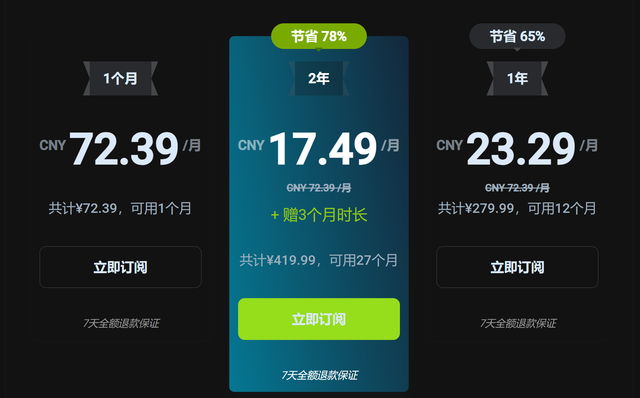
Affiliate note If you’re exploring a reliable, privacy-friendly option beyond Proton VPN, consider NordVPN as part of your browsing toolkit. For easy access and to learn more, you can explore NordVPN here: https://go.nordvpn.net/aff_c?offer_id=15&aff_id=132441. This link opens in a new tab and helps support our channel while you explore solid VPN options for your needs.
End of content
Sources:
科学上网工具:VPN 全解析与选购指南,提升上网隐私与自由度 Forticlient vpn sous windows 11 24h2 le guide complet pour tout retablir et optimiser la connexion
2025年搬瓦工vps搭建v2ray终极指南:vlesstcptls一键配置教程 vLESS-TCP-TLS 透明代理 维稳与安全实操
翻墙工具:全面指南与实用技巧,VPN、代理、隐私保护全覆盖
Microsoft edge에서 vpn 사용하기 완벽 가이드 및 추천 2026년 최신
Esim 卡出國:2025 最新旅遊上網必備攻略|電信方案、安裝教學、常見問題全解析