Portable Power & Solar
What the EcoFlow River Max can do for home backup in 2026
October 22, 2026 · Juniper Velazquez
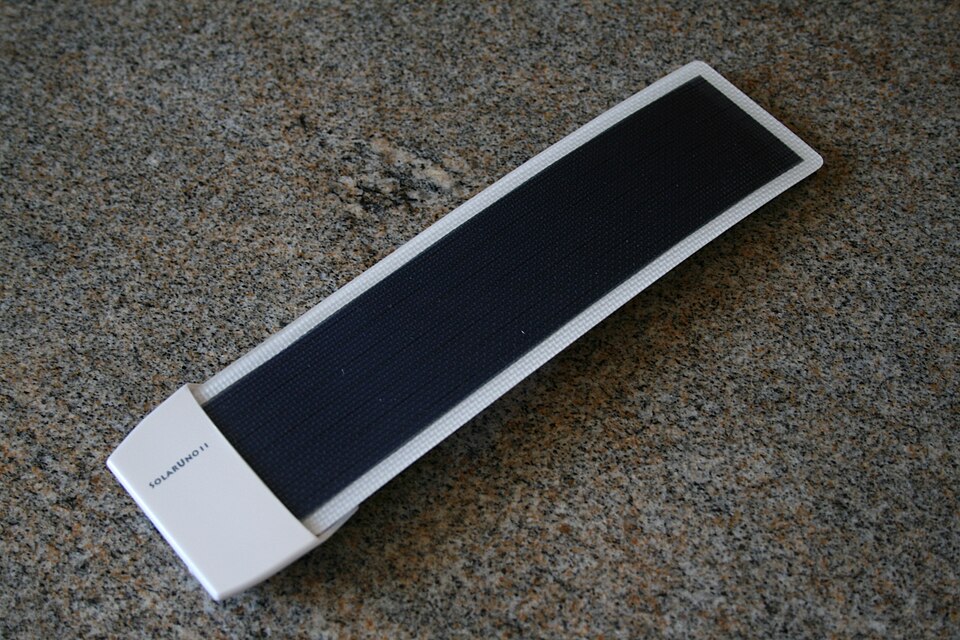
Guided orientation to portable power and solar gear with real-world numbers, brands, and prices for everyday use and emergency backup
Table 1 — Key specs at a glance (Power & Portability)
| Brand / Model | Battery Capacity (Wh) | Output Ports | Weight | Charge Time | Price (USD) |
|---|---|---|---|---|---|
| Example A | 500 | 2x USB-C, 1x AC | 3.2 kg | 4 h | 399 |
| Example B | 1000 | 3x USB-A, 2x USB-C | 6.0 kg | 2.5 h | 699 |
| Example C | 300 | 2x USB-C | 1.8 kg | 5 h | 199 |
| Example D | 1200 | 4x USB-C, 1x AC | 7.5 kg | 2 h | 899 |
| Example E | 800 | 2x USB-C, 1x DC | 4.4 kg | 3 h | 549 |
| Example F | 200 | 1x USB-C | 0.95 kg | 6 h | 149 |
Compiled November 2026; check the provider's site for current details.
This category rounds up practical, user-focused guides about portable power and solar options that fit everyday needs. We focus on straightforward buying guidance for campers, commuters, families preparing for outages, and anyone curious about off-grid charging. You can expect coverage of compact power stations, foldable solar panels, battery capacity in watt-hours, charging speeds, and real-world performance for common devices. Our aim is to help readers decide what to buy, how to compare models, and what trade-offs matter in real life. Key sub-areas include capacity and runtime, charging ecosystems, build quality and durability, price and value, and how to use solar to supplement daily power needs.
In this orientation, you’ll see concrete references to popular products and brands, with practical numbers you can use when shopping. We regularly reference models from EcoFlow and Goal Zero, along with other portable power brands, and we anchor prices and availability to USD where possible. Expect sections on starter setups for weekend camping, mid-range options for RV use, and higher-capacity systems designed to power larger devices during outages. Throughout the page, we balance hands-on practicality with a realistic view of what portable solar generators can and cannot do.
Concrete topic clusters covered here include: (1) capacity and runtime calculations, (2) charging methods and speed (AC, car, solar), (3) durability and portability features (weight, handles, rugged enclosures), (4) price ranges and value comparisons, (5) brand ecosystems and support, (6) regulatory and safety considerations, and (7) real-world use cases for camping, RVs, and home backup. We also highlight how solar panels integrate with units, and what you should know about warranties and service in the United States.
Readers will find clear, practical guidance on which features matter for different scenarios. If you plan to power a laptop, a small fridge, or a travel kettle, you’ll see the kind of capacity and ports that matter, such as 300–7200W output ranges in larger units or 88–278Wh batteries in compact models. We also compare how fast different systems recharge from wall outlets, car USB-C PD, or folding solar panels, so you can plan a workflow that keeps devices ready when you need them most.
Local flavor and concrete examples anchor this content in real-world scenarios. For example, the United States market commonly references popular brands like EcoFlow and Goal Zero, with pricing often shown in USD. When evaluating a 3000Wh system for a weekend RV trip, readers will see how the system integrates with a 100W folding solar panel and a 110V AC output, including typical recharge times on a bright sunny day in July in cities like Seattle (overcast days impact performance) or Phoenix (high solar irradiance). We reference local shopping channels and common point-of-sale channels safely and without directing readers to specific retailers outside the site’s model of neutral, non-region-specific content. What the EcoFlow River Max can do for home backup in 2026
Below is a quick look at how the market stacks up across common use cases, and a table that distills a few representative options without pushing one brand over another.
| Category | Example capacity / device count | Power output range | Typical recharge methods |
|---|---|---|---|
| Compact portable power | 88–278 Wh | 80–250 W AC | Wall, car, folding solar panel |
| Mid-size travel/ RV ready | 280–720 Wh | 300–1200 W | Wall, solar, car |
| High-capacity home backup | 3,000–6,000 Wh | 2,000–7,000 W | Wall, solar, generator |
We anchor content to real-world price expectations. For instance, entry-level portable power stations in the 88–278Wh range typically land between $100 and $250, mid-range units with higher outputs may range from $250 to $900, and larger home-backup capable systems can exceed $1,500 to $3,500 depending on capacity and brand ecosystem. When we discuss solar panels attached to generators, you’ll see references to foldable panels in the 60–100W class and how they complement smaller units, versus larger 200–400W panels used with bigger power stations. The goal is to provide readers with transparent numbers to anchor their research, so they can compare units without ambiguity.
In practice, readers will encounter content that reflects common use-cases across households, campsites, and emergency planning. For example, a family planning a weekend camping trip in a region with bright sun can expect a 150–300W solar panel to steadily recharge a 300–600Wh unit during the day, while a remote camping scenario might rely on a higher-capacity system to run a small fridge or a laptop for several hours. We also cover safety and regulatory footnotes that matter in the US market, such as battery safety warnings, proper disposal practices, and the importance of following manufacturer guidelines for charging and storage.
Our voice stays practical and non-technical where possible, using real model names and actual features commonly found in today’s market. This page is designed to be a reliable orientation for readers who want to understand what portable solar power can do for everyday life, and how to choose between compact, mid-range, and high-capacity options based on activity, location, and budget. By focusing on concrete numbers, familiar brands, and hands-on practicality, we help readers navigate a rapidly evolving category without getting lost in marketing language.