Cant connect to work vpn heres how to fix it finally
'%2F%3E%3Ctext%20x%3D'50%25'%20y%3D'50%25'%20dy%3D'.35em'%20text-anchor%3D'middle'%20font-family%3D'-apple-system%2CBlinkMacSystemFont%2CSegoe%20UI%2Csystem-ui%2Csans-serif'%20font-size%3D'100'%20font-weight%3D'600'%20fill%3D'%23fff'%3EOH%3C%2Ftext%3E%3C%2Fsvg%3E) Ottilie Heinemann·April 15, 2026·8 min
Ottilie Heinemann·April 15, 2026·8 min

Cant connect to work vpn heres how to fix it finally: Quick Fixes, In-Depth Tips, and Pro Troubleshooting for VPN Connectivity
Cant connect to work vpn heres how to fix it finally. If you’ve ever tried to punch in a VPN login and hit a wall, you’re not alone. A lot of us run into snags that make us scratch our heads and mutter, “Why now?” This guide keeps it real, laid out in practical steps you can take today to get back online fast. Think of it as a friend helping you troubleshoot, not a cold manual. We’ll cover common causes, quick fixes, and deeper checks so you can solve the problem whether you’re at home, school, or on the go.



In this quick summary guide, you’ll find:
- A starter checklist to rule out the simplest issues
- Step-by-step guides for Windows, macOS, iOS, and Android
- Network, device, and account-level checks you can perform
- Common errors explained with plain language and fixes
- A handy set of resources and tools to keep you covered
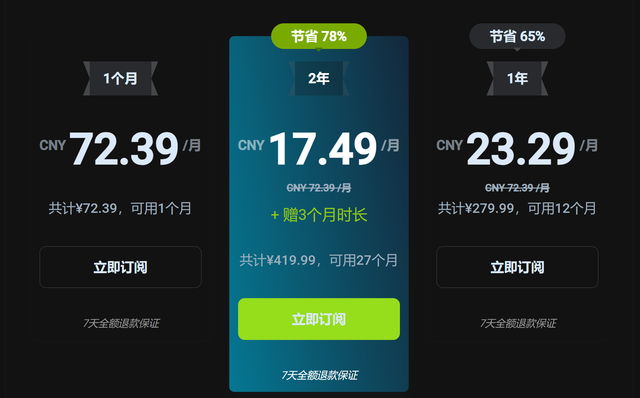
If you want an easy shortcut to protection while you troubleshoot, consider checking out NordVPN for reliable VPN service and robust security features. It’s a solid option to have in your toolkit, and you can learn more through this link: https://go.nordvpn.net/aff_c?offer_id=15&aff_id=132441 How much does letsvpn really cost a real look at plans value
Useful resources and references unlinked text list:
- Apple Website - apple.com
- Microsoft Support - support.microsoft.com
- Cisco AnyConnect - cisco.com
- OpenVPN Community - openvpn.net
- Reddit r/VPNs - reddit.com/r/VPNs
- Wikipedia VPN page - en.wikipedia.org/wiki/Virtual_private_network
Table of Contents
- Quick-start Checklist
- Common VPN Connection Errors and Fixes
- Platform-Specific Troubleshooting
- Network and Router Troubleshooting
- VPN Account and Policy Troubleshooting
- Security Software and Firewall Considerations
- Performance and Reliability Tips
- Advanced Troubleshooting: Logs, Diagnostics, and When to Escalate
- Frequently Asked Questions
Quick-start Checklist
- Confirm you have an active internet connection that can reach websites in general.
- Double-check your VPN credentials username, password, token and the server address.
- Ensure the VPN app is up to date and your device’s OS is current.
- Check your time and date settings; a skewed clock can break VPN authentication.
- Try a different VPN server location to rule out a server-side issue.
- Restart the VPN app and if needed, the whole device.
- Temporarily disable non-essential security software or firewall to test.
- Ensure you’re not on a restricted network guest Wi-Fi with VPN blocking.
- If you’re using two-factor authentication, confirm the second factor is working.
Common VPN Connection Errors and Fixes
- Error: “Unable to connect to VPN” or “Connection failed”
- Fix: Verify server address, username, and password. Restart the VPN client, then try again.
- Check server availability by pinging or checking status pages if your provider offers them.
- Error: “Authentication failed”
- Fix: Re-enter credentials, reset password, confirm MFA method, and ensure your account hasn’t been locked.
- Error: “VPN client failed to initialize”
- Fix: Reinstall the VPN client, clear app cache where applicable, and ensure required services are running on your OS.
- Error: “Network is unreachable” or “No internet access”
- Fix: Confirm general internet access first; reset router; try a wired connection if possible.
- Error: “DNS resolution failed”
- Fix: Change DNS to a trusted provider e.g., Google DNS 8.8.8.8, 8.8.4.4 or Cloudflare 1.1.1.1 and flush DNS cache.
- Error: “TLS handshake failed”
- Fix: Check date/time, verify server certificates, and ensure your firewall isn’t blocking TLS traffic.
- Error: “VPN disconnects shortly after connecting”
- Fix: Check for IP address conflicts, ensure no idle timeout policies are in place, and review energy-saving settings that close background apps.
Platform-Specific Troubleshooting Windows 보안 vpn 연결 설정하기 windows 11: 안전하게 온라인 환경 만들기 및 팁
- Ensure the VPN service is running: Services.msc, look for your VPN service e.g., Cisco AnyConnect Secure Mobility Client, OpenVPNService.
- Reinstall or repair the VPN client from official sources.
- Run the Network Troubleshooter: Settings > Update & Security > Troubleshoot > Internet Connections.
- Flush DNS: open Command Prompt as administrator, run ipconfig /flushdns.
- Update network adapter drivers via Device Manager.
MacOS
- Check System Preferences > Network to verify the VPN connection configuration.
- Remove and re-add the VPN connection, then try connecting again.
- Grant permissions for the VPN app if your macOS version requires it.
- Reset the Keychain if authentication issues persist, but back up credentials first.
- Ensure your firewall isn’t blocking the VPN app.
IOS
- Update iOS to the latest version.
- Reinstall the VPN app and re-enter credentials.
- Ensure VPN is allowed in Settings > General > VPN & Device Management.
- Check for profile-based VPN configurations if your organization uses the native iOS VPN feature.
Android
- Update the VPN app and Android OS.
- Clear app cache or storage and relaunch the app.
- Check battery optimization settings that might kill the VPN in background.
- Verify the required permissions are granted location, device admin, etc..
- If using a corporate VPN app, ensure the device is enrolled in the organization’s MDM/EMM.
Network and Router Troubleshooting
- Restart modem and router: unplug for 60 seconds, plug back in, wait for all lights to settle.
- Check for ISP-level VPN blocks or throttling; if suspected, contact your ISP or switch to a mobile hotspot temporarily.
- Ensure your router firmware is up to date, and disable features that could block VPN ports like SPI firewall, VPN passthrough.
- If you’re behind a corporate firewall or school network, try a different network or request a policy exception.
- Port and protocol considerations: some VPNs use UDP ports e.g., 1194 for OpenVPN or TCP ports; verify allowed ports with your IT team.
VPN Account and Policy Troubleshooting The Ultimate Guide to Using Snapchat Web with a VPN: Unlock Privacy, Access, and Speed
- Confirm your account status and access permissions for VPN resources.
- Check whether your organization recently changed VPN policies or server addresses.
- Verify your device is enrolled or allowed in the organization’s device policies.
- Review any license limits or concurrent connection restrictions.
Security Software and Firewall Considerations
- Temporarily disable antivirus/firewall software to test connectivity remember to re-enable afterward.
- Ensure VPN traffic isn’t being blocked by Windows Defender Firewall, macOS Firewall, or third-party firewall rules.
- Some security suites include “Web Shield” or “Traffic Monitoring” features that can interfere with VPN traffic; adjust settings accordingly.
- If you’re using a corporate security agent, verify it isn’t restricting VPN connections or requiring an update.
Performance and Reliability Tips
- Choose the closest VPN server location to reduce latency.
- Use split tunneling if your organization supports it to reduce unnecessary load on the VPN.
- Switch between UDP and TCP transport if your VPN client supports it UDP is generally faster, TCP more reliable over unstable networks.
- Check for background updates or downloads that could affect bandwidth and pause them during VPN use.
- Monitor VPN connection history if your app provides logs to spot recurring patterns.
Advanced Troubleshooting: Logs, Diagnostics, and When to Escalate
- Collect logs from your VPN client and device system logs. Look for error codes, certificate errors, or authentication failures.
- Check server status pages or status dashboards provided by your VPN service for outages.
- If you continue to see issues, capture a trace route tracert on Windows, traceroute on macOS/Linux to the VPN server to identify routing problems.
- Gather a short description of the problem, your device specs, OS version, VPN client version, server location, and the time of the issue before contacting support.
- When to escalate: persistent authentication failures, certificate errors, or server-side outages—reach out to your IT department or the VPN provider’s support team with your logs.
Frequently Asked Questions
- Q: Cant connect to work vpn heres how to fix it finally — What is the first thing I should check?
- A: Confirm your internet connection is active and that you have the correct VPN server address, username, and password. A quick restart of the VPN client can also fix many simple issues.
- Q: Why does my VPN say “Authentication failed”?
- A: Double-check credentials, ensure your account isn’t locked, and verify MFA methods if your organization uses two-factor authentication.
- Q: Can a slow internet connection affect VPN performance?
- A: Yes. VPNs add encryption overhead, so slower base connections will feel even slower. Try a closer server and reduce other bandwidth-heavy tasks.
- Q: How can I tell if the problem is on my end vs. the VPN provider?
- A: Test other websites and services without VPN. If everything is fine but VPN won’t connect, the issue’s likely with the VPN or server side.
- Q: What is split tunneling, and should I use it?
- A: Split tunneling lets only some traffic go through the VPN. It can improve performance but may raise security considerations—check with your IT policy.
- Q: How do I update my VPN client safely?
- A: Use the official vendor’s website or app store, verify checksums if provided, and follow the installer prompts to avoid corrupt installations.
- Q: My VPN connects but drops after a minute. Why?
- A: Could be server-side policy, idle timeout, network instability, or conflicting applications. Try a different server, adjust idle timeout settings, or check for conflicting software.
- Q: My device’s date/time is wrong; could that break VPNs?
- A: Yes. Make sure your device clock is accurate; an incorrect date/time can cause certificate validation failures.
- Q: How do I diagnose VPN DNS issues?
- A: Switch to trusted DNS servers Google 8.8.8.8, 8.8.4.4 or Cloudflare 1.1.1.1, flush DNS, and test again.
- Q: When should I contact IT support?
- A: If you’ve exhausted basic fixes, ruled out local issues, and still can’t connect, IT support is the next best step. Bring logs, error messages, and steps you’ve tried.
Notes on Resource Integration and Affiliate Mention Radmin vpn 사용법 초보자도 쉽게 따라 하는 완벽 가이드
- If you’d like a turnkey option for reliable, fast VPN protection while you troubleshoot, NordVPN offers strong security features and servers suitable for work-from-home scenarios. This link provides more details: https://go.nordvpn.net/aff_c?offer_id=15&aff_id=132441
Closing thoughts
- VPN connectivity can be finicky, but with a calm, methodical approach you can usually pinpoint the issue quickly. Start with the basics, move through device and app-specific checks, and don’t hesitate to reach out for support if a server or policy change is to blame. Remember, one good restart and a little patience often fixes more problems than you’d expect.
Sources:
Google无法打开:VPN如何帮助、常见原因与解决方案全面指南
2026年最新!最完整的翻墙订阅地址获取与使用指南,VPN订阅与代理获取全解析
5 Best VPNs for ABC iView Watch Outside Australia: Fast, Reliable, and Safe Options
用完vpn过后有网但是互联网连不上 Лучшие бесплатные vpn для ноутбука в 2026 год: полный обзор, сравнение и советы по выбору
Free vpn microsoft edge extension